
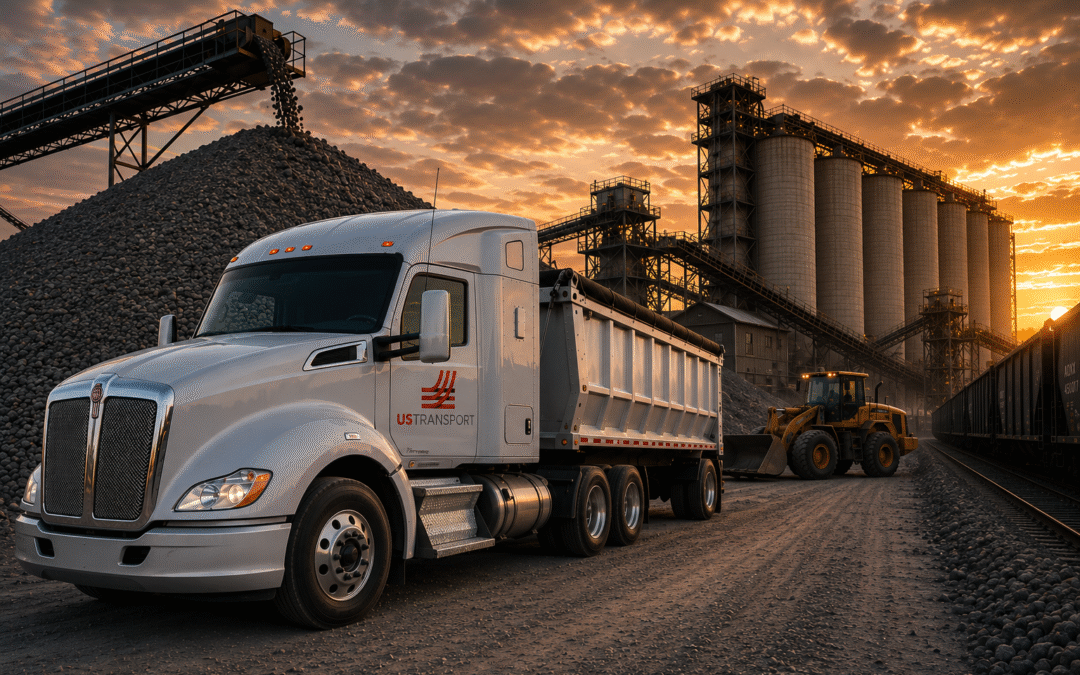
Industrial supply chains across key regions in the United States rely heavily on efficient logistics networks capable of moving large quantities of raw materials, equipment, and industrial goods safely and cost-effectively. From aggregates and construction materials to agricultural commodities, manufacturing inputs, and industrial products, bulk transportation serves as a critical component of many industries.
As companies continue facing rising transportation costs, labor shortages, fuel volatility, and supply chain disruptions, choosing the right logistics partner has become more important than ever. In this guide, we’ll explain how bulk transport in the USA works, the primary transportation methods available, common operational challenges, and how industrial companies can optimize logistics performance while reducing costs.
Understanding Dry Bulk Transportation
Dry bulk transportation refers to the movement of large quantities of unpackaged commodities that are transported using specialized equipment designed for industrial logistics operations. Dry bulk transportation represents a significant portion of industrial freight movement across key regions in the United States. Common commodities include:
- Cement
- Fly ash
- Coal
- Aggregates
- Lime
- Glass
- Asphalt
- Urea
- Sand
These materials are commonly transported using end dumps, pneumatic trailers, hopper equipment, railcars, storage facilities, and transloading operations. Industries such as construction, manufacturing, infrastructure development, energy, and agriculture depend on efficient dry bulk logistics to keep operations running smoothly.
Many industrial transportation providers also support rail-served logistics and transloading solutions, allowing businesses to move high-volume commodities more efficiently across regional and national supply chains.
Why Bulk Transport Matters in the USA
The American economy depends on efficient freight movement. Industrial sectors require transportation systems capable of moving high-volume materials quickly between production facilities, rail terminals, storage facilities, warehouses, and job sites.
Without reliable bulk transportation:
- Construction projects face delays
- Manufacturing production slows down
- Agricultural supply chains become inefficient
- Industrial costs increase
- Inventory management becomes more difficult
Bulk transportation supports nearly every major infrastructure and industrial operation across key service regions.
Common Industries That Depend on Bulk Logistics
Construction Industry
Construction companies rely on bulk freight transportation for:
- Gravel
- Crushed stone
- Asphalt
- Cement
- Steel
- Heavy equipment
Large infrastructure projects require precise logistics coordination to keep materials flowing consistently.
Agriculture
Agricultural operations require efficient transportation for:
- Grain
- Feed
- Fertilizer
- Seed
- Crop inputs
Seasonal demand spikes make transportation planning especially important.
Energy & Mining
Energy producers and mining companies use bulk logistics for:
- Minerals
- Coal
- Sand
- Industrial materials
- Equipment
These industries often require specialized heavy haul and rail-access solutions.
Manufacturing
Manufacturing facilities rely on industrial logistics providers to transport raw materials and finished products efficiently while minimizing downtime.
Major Bulk Transportation Methods
Several transportation methods are used in industrial logistics depending on cargo type, distance, infrastructure access, and cost considerations.
Trucking Transportation
Truck transportation remains one of the most flexible freight solutions in the USA. Advantages include:
- Flexible delivery schedules
- Direct job site access
- Faster short-distance transit
- Better regional distribution
- Scalable capacity
Common equipment includes:
- End dumps
- Belly dumps
- Pneumatic trailers
- Flatbeds
- Lowboys
- Hopper trailers
Truck transportation is ideal for regional industrial operations and last-mile delivery.
Rail Transportation
Rail logistics plays a major role in long-distance bulk transportation. Benefits of rail include:
- Lower fuel costs per ton
- Higher shipment capacity
- Long-distance efficiency
- Reduced highway congestion
- Lower environmental impact
Rail is especially effective for industries moving high-volume commodities over extended distances. For many industrial companies, combining rail transportation with transloading services provides a cost-effective way to move bulk commodities across long distances while maintaining flexible local delivery options.
Transloading Services
Transloading involves transferring cargo between transportation modes, such as rail-to-truck or truck-to-rail. This solution helps companies:
- Reduce transportation costs
- Expand geographic reach
- Improve supply chain flexibility
- Access rail infrastructure without owning rail facilities
Transloading facilities are becoming increasingly important in industrial supply chains because they create greater flexibility while reducing overall freight costs.
Rail-Served Logistics: A Competitive Advantage
Many industrial facilities are strategically located near rail infrastructure to improve freight efficiency and reduce transportation costs. Rail-served logistics allows businesses to:
- Receive bulk commodities directly by rail
- Reduce trucking expenses
- Increase inventory capacity
- Improve supply chain reliability
- Support large-scale industrial operations
When paired with transloading and storage capabilities, rail-served logistics creates a highly efficient transportation network for manufacturers, construction companies, and commodity distributors.
Heavy Haul & Oversize Transport
Industrial projects often require transportation of oversized equipment and machinery. Heavy haul logistics typically includes:
- Construction equipment
- Industrial machinery
- Energy infrastructure components
- Manufacturing equipment
- Oversize freight
These shipments require specialized permitting, routing, escorts, and compliance management.
Key Challenges in Bulk Transportation
Industrial logistics operations face several ongoing challenges.
Rising Transportation Costs
Fuel costs, labor shortages, maintenance expenses, and equipment costs continue increasing across the freight industry. Companies must optimize routes, capacity, and transportation strategies to maintain profitability.
Driver Shortages
The trucking industry continues facing a shortage of qualified drivers, impacting capacity and delivery schedules. Reliable logistics partners help mitigate these challenges through scalable operations and efficient fleet management.
Supply Chain Disruptions
Weather, labor issues, infrastructure limitations, and market fluctuations can create major disruptions. Companies need flexible transportation solutions and contingency planning.
Regulatory Compliance
Bulk transportation operations must comply with:
- DOT regulations
- Weight restrictions
- Safety requirements
- Environmental regulations
- Oversize permitting rules
Experienced transportation providers help ensure compliance while reducing operational risk.
How to Optimize Industrial Logistics Operations
Work with an Experienced Logistics Partner
Choosing a transportation provider with industrial expertise helps companies:
- Reduce delays
- Improve efficiency
- Lower costs
- Increase visibility
- Scale operations
A strong logistics partner becomes an extension of the supply chain.
Use Multimodal Transportation
Combining truck, rail, transloading, and storage services can significantly reduce freight costs and improve flexibility. Multimodal strategies are particularly effective for:
- Long-distance freight
- High-volume commodities
- Regional distribution
- Industrial manufacturing networks
Improve Route Planning
Modern logistics operations use route optimization technology to:
- Reduce fuel consumption
- Minimize empty miles
- Improve delivery timing
- Increase equipment utilization
Prioritize Communication & Visibility
Industrial supply chains depend on visibility and proactive communication. Companies should work with providers offering:
- Shipment tracking
- Dedicated account management
- Real-time updates
- Scheduling coordination
- Responsive support
Benefits of Dedicated Bulk Transportation Services
Dedicated transportation solutions provide several operational advantages.
Greater Reliability
Dedicated fleets improve delivery consistency and scheduling reliability.
Better Cost Control
Long-term transportation partnerships help stabilize pricing and reduce inefficiencies.
Operational Flexibility
Dedicated solutions allow businesses to scale transportation based on project demand.
Improved Safety & Compliance
Specialized providers understand industrial safety requirements and regulatory standards.
The Future of Bulk Transportation in the USA
The industrial logistics sector continues evolving rapidly. Key trends shaping the future include:
- Increased automation
- Supply chain digitization
- Greater rail utilization
- Sustainability initiatives
- Advanced freight tracking systems
- Improved transloading infrastructure
Companies that invest in efficient transportation partnerships and modern logistics strategies will remain more competitive in the years ahead.
Why UST Supports Industrial Logistics Operations
UST provides customized dry bulk transportation, rail-served logistics, transloading, storage, and industrial freight solutions designed to support high-volume supply chains. Our capabilities include:
- Bulk transportation services
- Dry bulk logistics
- Rail access support
- Transloading solutions
- Storage solutions
- Heavy haul transportation
- Dedicated transport services
- Industrial freight coordination
Our team helps businesses improve transportation efficiency, increase visibility, and maintain reliable material flow across construction, manufacturing, agricultural, and industrial operations. We understand the operational demands of industrial supply chains and help businesses improve transportation efficiency, reliability, and scalability.
Final Thoughts
Bulk transportation in the USA plays a critical role in supporting industrial growth, infrastructure development, and supply chain performance. As logistics demands continue increasing, businesses need transportation strategies that balance efficiency, scalability, compliance, and cost control. Whether moving dry bulk materials, oversized equipment, or high-volume industrial freight, the right logistics partner can help companies improve operations while reducing transportation risk.
Ready to Optimize Your Industrial Logistics Operation?
Need a reliable partner for dry bulk transportation, rail-served logistics, transloading services, or storage solutions?
Contact UST today to request a customized bulk transport quote and discover how our logistics solutions can help improve efficiency across your supply chain.
Recent Comments