
Quick Answer: Why Do We Celebrate Truck Driver Appreciation Week?
Truck Driver Appreciation Week recognizes the professional drivers who transport the materials, products, and resources businesses and communities depend on every day. For industries that rely on bulk transportation, drivers do much more than move freight, they help keep supply chains operating safely, reliably, and on schedule.
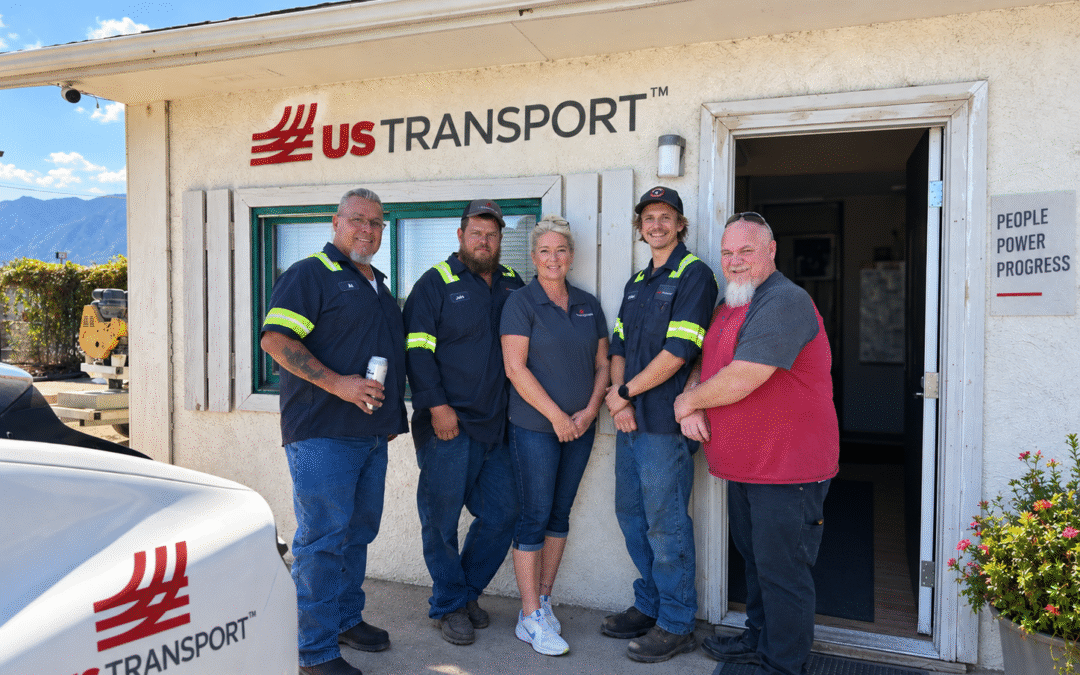
At US Transport, this week is an opportunity to recognize the professionals behind the wheel and the important role they play in serving our customers and communities.
10 Reasons Professional Drivers Keep America Moving
Every shipment has a destination. Every customer has a deadline. And behind every successful delivery is a professional driver responsible for getting the job done safely.
For National Truck Driver Appreciation Week, we’re recognizing the people behind the wheel, and the impact their work has far beyond the road.
Here are 10 reasons professional truck drivers are essential to America’s transportation network.
- Drivers Connect America’s Supply Chain
Trucks connect manufacturers, industrial facilities, distribution points, construction projects, and other businesses throughout the country.
Professional drivers serve as the physical connection between these locations.
Without reliable drivers, raw materials don’t reach facilities, products don’t reach customers, and projects can quickly fall behind schedule.
That’s why drivers aren’t simply part of the supply chain.
They are one of the people who make the supply chain possible.
- They Move the Materials That Build Our Communities
Many of the materials used to construct and maintain America’s infrastructure depend on professional transportation.
Bulk transportation can include materials used throughout industries such as:
- Construction
- Infrastructure
- Manufacturing
- Industrial production
Moving these materials efficiently requires the right equipment—but it also requires skilled professionals behind the wheel.
- Professional Drivers Make Safety a Daily Responsibility
Safety isn’t something that happens only when a truck is moving.
Professional drivers have responsibilities before, during, and after transportation.
That can include vehicle inspections, monitoring road conditions, following transportation regulations, communicating with dispatch teams, and safely navigating customer facilities and delivery locations.
For bulk transportation operations, that level of attention is especially important.
- They Keep Customer Operations Running
For many industrial customers, transportation is directly connected to productivity.
A delayed shipment can potentially affect:
- Production schedules
- Construction timelines
- Material availability
- Equipment utilization
- Labor scheduling
Professional drivers help keep those operations moving by delivering materials where they’re needed and when they’re needed.
- Drivers Navigate Conditions That Change Every Day
No two days on the road are exactly the same.
Drivers routinely encounter changing conditions such as:
- Traffic
- Weather
- Construction
- Customer-site requirements
- Road restrictions
- Changing schedules
Experience and good decision-making allow professional drivers to adapt while keeping safety at the center of the job.
- Bulk Transportation Requires Specialized Knowledge
Not every trucking operation is the same.
Bulk transportation can require specialized equipment, loading and unloading procedures, site awareness, and knowledge of the materials being transported.
That means an experienced bulk transportation driver brings more to a shipment than driving ability alone.
They bring specialized operational knowledge that helps freight move safely and efficiently from origin to destination.
- Drivers Represent the Company at Every Delivery
For customers, the driver may be one of the people from a transportation company they interact with most frequently.
Professionalism at a customer facility matters.
Clear communication, reliability, safety awareness, and respect for the customer’s operation all contribute to the overall service experience.
In that sense, drivers aren’t just delivering freight—they’re representing the people and values behind the transportation company.
- Drivers Help Transportation Teams Solve Problems
Modern logistics is a team effort.
Drivers work alongside dispatchers, operations teams, maintenance professionals, customers, and other transportation specialists.
Because drivers experience routes and delivery locations firsthand, their communication can help teams identify changing conditions and respond to challenges quickly.
Technology may provide visibility into a shipment, but experienced people remain essential to making good decisions.
- Their Work Requires Commitment
Professional driving requires long hours, attention to detail, adaptability, and significant time on the road.
While customers see the truck arrive at its destination, there’s much more behind that delivery.
There’s preparation.
There’s communication.
There’s responsibility.
And most importantly, there’s a person behind the wheel making it happen.
- They Keep America Moving
Nearly every industry depends on transportation somewhere in its supply chain.
The work professional drivers perform every day connects businesses, industries, projects, and communities.
That’s why National Truck Driver Appreciation Week matters.
It’s an opportunity to recognize work that happens every day but can easily be taken for granted.
More Than a Week of Appreciation
Driver appreciation shouldn’t be limited to one week on the calendar.
Professional drivers deserve recognition for the work they perform throughout the year—the early starts, changing conditions, customer deliveries, safety responsibilities, and countless miles required to keep freight moving.
At US Transport, we’re proud to recognize the drivers who make our operation possible.
To our drivers: thank you for your commitment, professionalism, and dedication to getting the job done safely.
We appreciate everything you do.
Frequently Asked Questions About Truck Driver Appreciation Week
What is National Truck Driver Appreciation Week?
National Truck Driver Appreciation Week is an annual recognition of professional truck drivers and their contributions to transportation and the U.S. supply chain.
Why are professional truck drivers important?
Professional truck drivers transport materials and goods between suppliers, facilities, job sites, businesses, and customers. Their work helps businesses maintain reliable supply chains and day-to-day operations.
Why are truck drivers important to bulk transportation?
Bulk transportation often involves specialized materials, equipment, facilities, and operating procedures. Experienced drivers help ensure these shipments are transported safely and efficiently.
What skills do professional bulk truck drivers need?
Depending on the operation, drivers may need expertise in commercial vehicle operation, safety procedures, equipment inspections, loading and unloading procedures, regulatory compliance, customer-site requirements, and specialized bulk transportation equipment.
How can businesses show appreciation for truck drivers?
Recognition can be as simple as thanking drivers, maintaining safe and efficient receiving facilities, respecting scheduled delivery windows, communicating clearly, and recognizing the important role drivers play in the supply chain.
Is truck driver appreciation only important during National Truck Driver Appreciation Week?
No. While the week provides a dedicated opportunity for recognition, professional drivers support businesses and supply chains throughout the entire year.
Celebrating the People Behind US Transport
Transportation is ultimately about more than trucks, equipment, and technology.
It’s about people.
The drivers who show up every day are a critical part of how US Transport serves its customers and keeps bulk materials moving.
During National Truck Driver Appreciation Week—and every week—we’re proud to recognize their contribution.
Thank you to the professional drivers of US Transport for keeping our customers, our communities, and America moving.
Recent Comments